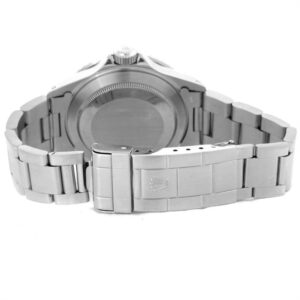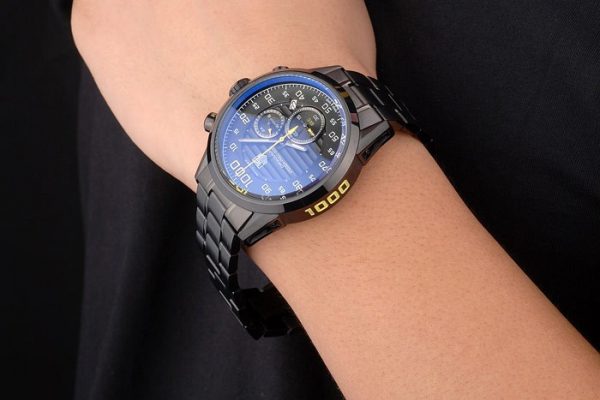
We all have our personal favorites when it comes to watches, and for me, it’s the Montblanc Iced Seas. Despite attempts to contain my enthusiasm, the unveiling of new models like this bronze-dialed beauty by Laurent Lecamp inevitably triggers a wave of excitement. Understanding the allure of mountain-inspired dive watches may require some introspection, but where’s the fun in that? – Mike Christensen 

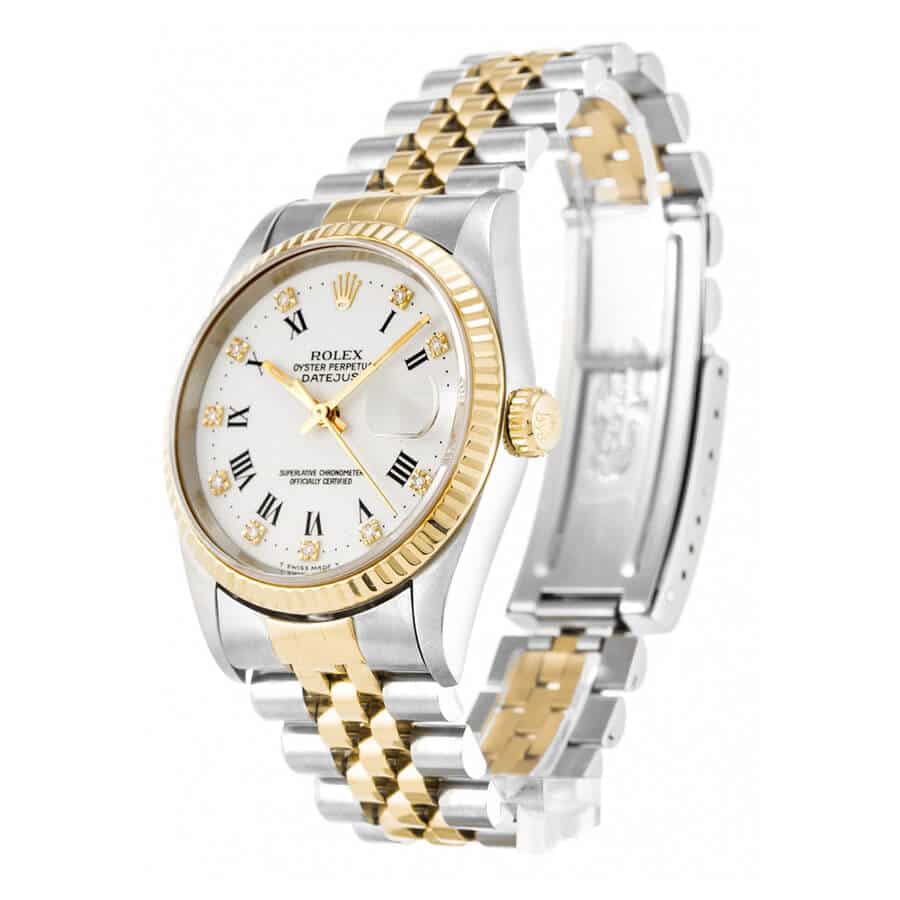
In only its second year, the 1908 has already made a significant impact in Rolex’s extensive catalog. The captivating “sand-grain” dial in sour-candy blue captivates the eye, earning its place on this list ahead of even the latest sport watch releases from the Crown. – Cam Wolf
Chopard welcomes another addition to its sporty collection with the introduction of a titanium watch boasting a dial reminiscent of the sky’s hue – aptly named Rhône Blue. With its chronograph functionality, this watch exudes athleticism, perhaps catching the eye of avid watch enthusiast Pep Guardiola, known for his penchant for watches. – Mike Christensen
Following a remarkable 2023 highlighted by the remarkable Tonda PF, Parmigiani is no longer solely recognized as King Charles’s preferred watchmaker. This year, the iconic Toric receives a luxurious makeover, epitomizing refined elegance. While terms like “refined luxury” often evoke skepticism, the rose gold Petite Seconde model unquestionably earns a coveted spot on any watch aficionado’s wish list. – Mike Christensen
The allure of the oval-shaped Ellipse is undeniable, but it’s the chain bracelet that steals the spotlight. Its unique design adds a touch of sophistication, elevating even the simplest of ensembles. This marks the first time Patek Philippe has paired this distinctive bracelet style with a larger iteration of the Ellipse model, showcasing the brand’s commitment to innovation. – Cam Wolf
TAG Heuer understands the importance of anticipation, offering a rose gold rendition of its iconic steel sports replica watch, the Carrera Skipper. With its tri-color subdial, this watch exudes authority akin to a captain’s armband, instantly conveying a sense of leadership. – Mike Christensen
Vacheron Constantin embraces a green-meets-gold trend with its Overseas collection, offering four new variations adorned with this striking combination. Among them, the dual time model stands out with its vibrant red arrow, injecting a sporty flair into the otherwise luxurious watch. – Cam Wolf
While Omega serves as the official timekeeper of Paris 2024, Ressence’s latest Type 1 captivates with its Olympic-inspired dial featuring rings reminiscent of the iconic symbol. In a world steeped in tradition, Ressence’s innovative designs offer a refreshing departure, captivating the imagination of watch enthusiasts. – Mike Christensen
Cartier’s Privè selection resurrects vintage charm with the introduction of the Tortue in a pristine, time-only execution. This exemplifies everything we adore about Cartier, showcasing the brand’s elegant aesthetic in a distinctive shape only they could master. – Cam Wolf
Japanese craftsmanship shines through in Seiko’s hunky chrono GMT, boasting a dial that shimmers from orange to red to pink, reminiscent of the vibrant Shinshu skyline at dawn. This watch exemplifies Seiko’s mastery of optical multilayer coating, captivating the eye with its mesmerizing hues. – Mike Christensen
While technically unveiled just before Watches & Wonders, Moser’s new Pioneer demands recognition for its striking alien-green dial. Moser delights in challenging industry norms, evident in their bold choice of color that defies convention. – Cam Wolf
IWC unveils a reimagined Portugieser line, featuring new iterations in a variety of astral-inspired colorways with increasingly complex complications. Among them, the black-dial perpetual calendar stands out, boasting a lustrous finish achieved through meticulous craftsmanship. – Cam Wolf
Piaget’s Polo Date flies under the radar amidst headlines of the thinnest tourbillon ever made, yet its cappuccino tones and steel case with a brown rubber strap exude understated elegance. This watch embodies the perfect balance of sporty sophistication, destined to become a coveted staple in any collection. – Mike Christensen
Hermès once again pushes the boundaries of creativity with the Arceau Duc Attelé, featuring a minute repeater complication adorned with miniature horse head-shaped mallets. This whimsical design reflects Hermès’s penchant for eccentricity, earning admiration for its innovative approach to watchmaking. – Cam Wolf
Oris revolutionizes its Aquis line with a redefined design, incorporating vibrant colors and innovative materials such as recycled plastic for its dials. Among the standout pieces is a captivating blend of blues, purples, and white, reminiscent of a watercolor painting brought to life on the wrist. – Cam Wolf
Gerald Charles pays homage to legendary designer Gerald Genta with the Masterlink collection, featuring smile design features that elevate the integrated bracelet game. This collection embodies timeless elegance, capturing the essence of Genta’s iconic designs in a modern interpretation. – Mike Christensen
In a year marked by innovation and creativity, Chanel captivates with the whimsical J12, featuring a playful depiction of Gabrielle Chanel engaged in dressmaking on the dial. Beneath its charming exterior lies a powerhouse caliber comprising 355 components, showcasing Chanel’s commitment to craftsmanship and innovation. – Mike Christensen 
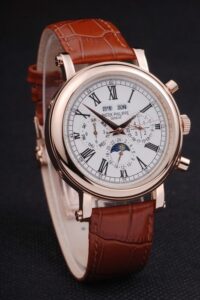
Gucci’s latest offering, the Interlocking Jumping Hour Flying Tourbillon, reflects a departure from the whimsical designs of the past, embracing a classic ’70s dress watch aesthetic. With its octagonal case and Roman numerals, this fake watch pays homage to Gucci’s Italian heritage while showcasing its growing prowess in fine watchmaking. – Mike Christensen
François-Paul Journe celebrates the 10th anniversary of the Élégante with a commemorative edition dedicated to his friend and co-founder, Serge Cukrowicz. This quartz watch defies convention with its captivating motion detector mechanism, adorned with a rainbow of glass stones on the bezel. – Cam Wolf
Nomos introduces a slimmer Tangente in 31 vibrant colorways, with the “Flamingopink” version exuding a cheerful aura. Celebrating 175 years of Bauhaus design excellence, this watch embodies the brand’s commitment to timeless sophistication. – Mike Christensen
Hublot’s new Big Bang with an integrated bracelet offers a welcome addition to the collection, combining sleek design with the brand’s signature bold aesthetic. At 38mm, this watch strikes the perfect balance between style and versatility, appealing to both enthusiasts and collectors alike. – Cam Wolf